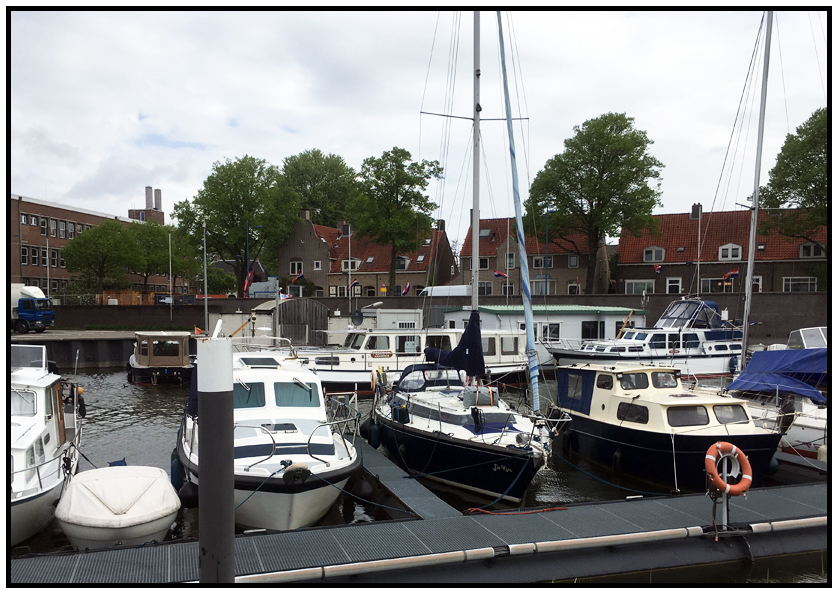
June 18th 2019

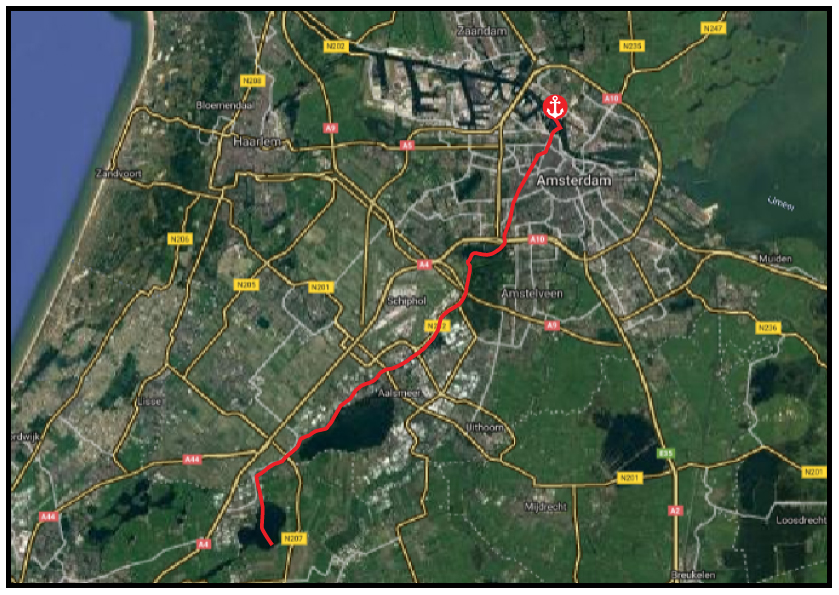
Time to leave the capital and continue north. First we had the follow the IJ-canal (IJ is an old Dutch word for water) past Amsterdam Central train station.That meant zigzagging through canal boats, dodging ferries and big barges and keeping a lookout for small motorboats with crying children, fussing grannies and lounging parents at the same time. The ferries are not too bad, but the canal boats are under the impression that because they’re professional traffic, they have the right to ignore basic rules and behave like jerks.

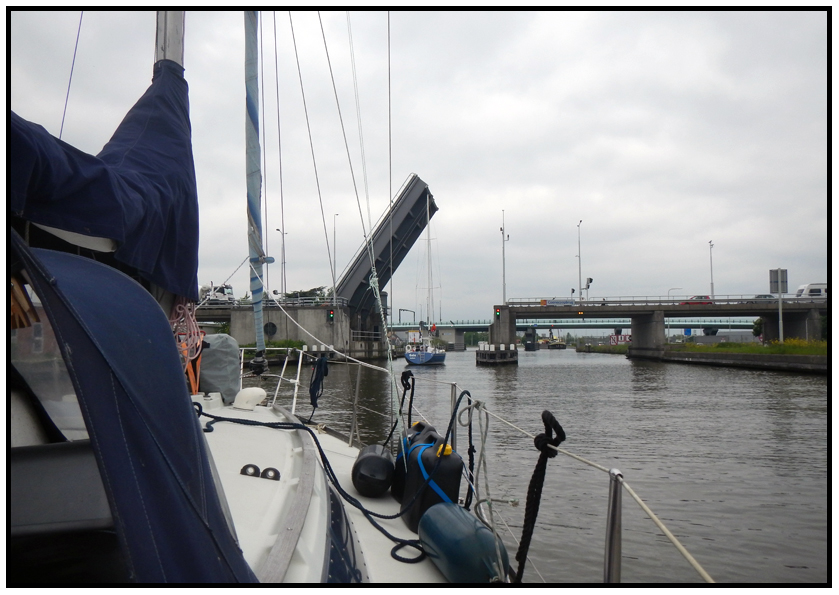
After a chaotic trip down the IJ-canal we finally reached the Oranje locks. It had just closed so we moored to the waiting dock and awaited our turn. Since they have 3 locks here for pleasure crafts it wasn’t long before we could enter another. Right after we had cleared the lock we were faced with the Schellingwouder bridge, which was closed and wouldn’t open for another 25 minutes. Strangely in contrast to the Oranje locks that run every 10 minutes, there were no waiting docks here. The stretch of water in between the locks and the bridge is like a small turbulent basin of water caused by the large barges and speed boats that can pass under the bridge without an opening. Nothing to it than treading water and dodging barges and wait for the bridge to open.
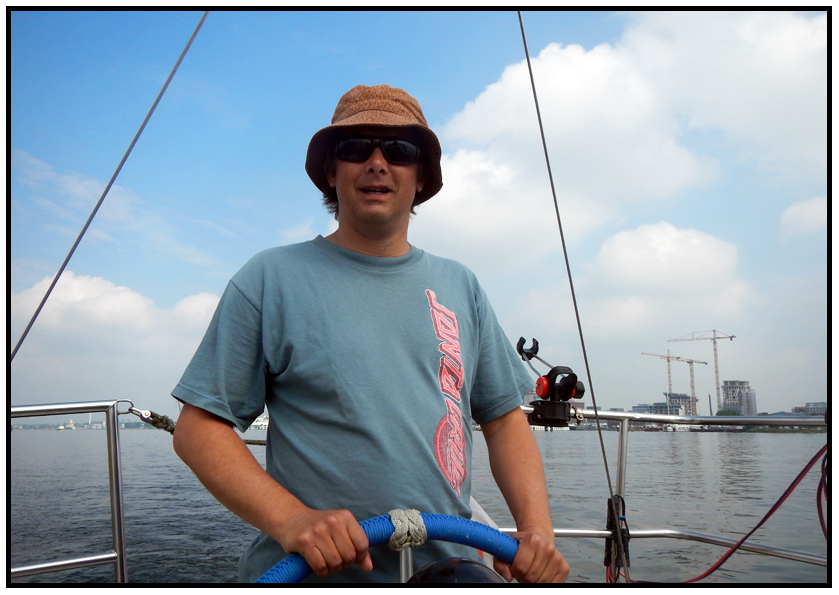
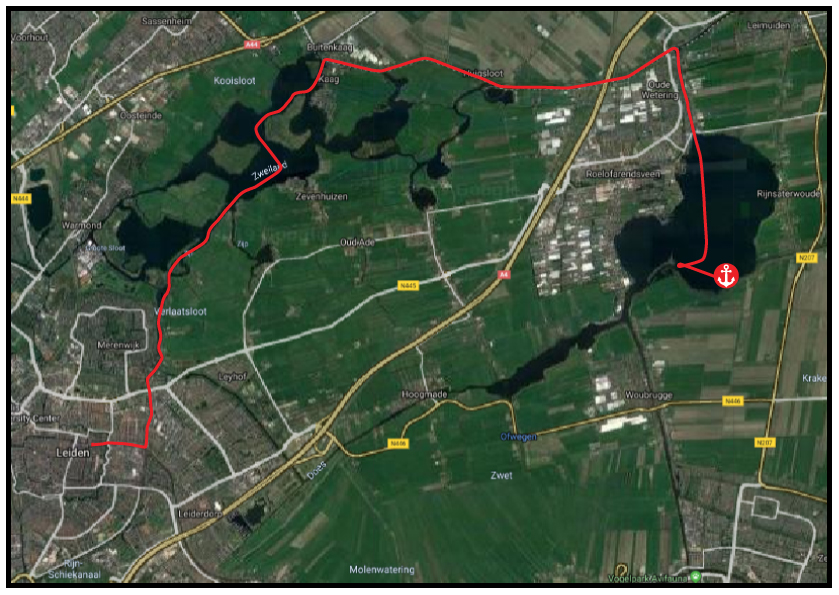
After 20 minutes we finally entered the Markermeer, a closed-of part of the IJsselmeer. The plan was to find a nice quiet spot to anchor after 10 days in Amsterdam. Friends had given us tips where to anchor, but unfortunately our draft was way too deep for those locations. Slowly we progressed north, heading towards a spot we had seen on the map that might offer some shelter from the wind and waves.
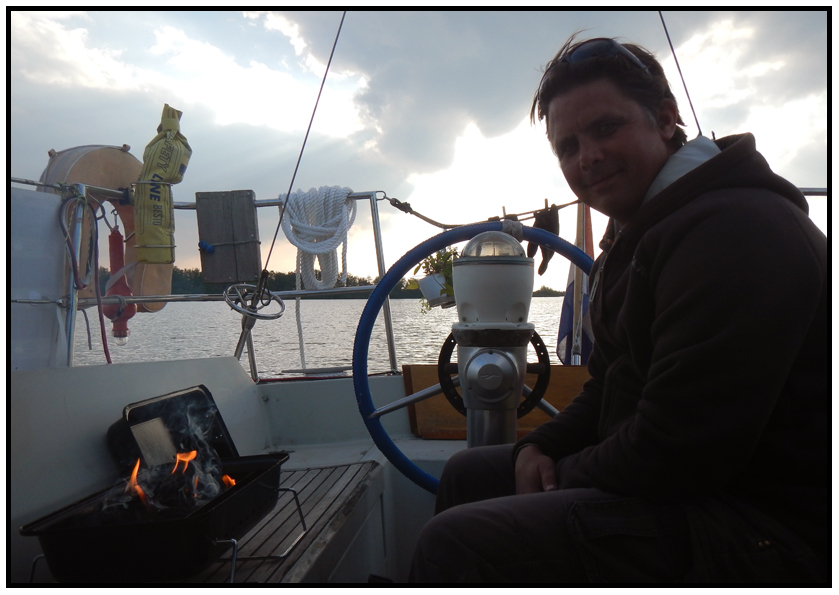
When we finally arrived at the spot it looked promising. Not as idyllic as we had imagined, but quiet and away from the crowds. We dropped the anchor, activated the anchor alarm app and checked the visual reference points for 5 minutes. No movement, hopefully the anchor has successfully set. The sun was shining abundantly so we spend a lovely afternoon in the cockpit enjoying the peace and quiet.
In the evening the wind picked up and started to change direction. But since we knew that was going to happen we had taken the rotation into account when dropping the anchor. Everything still looked okay, so we were reasonably confident that we had done a good job. But right before we wanted to go to sleep, the anchor alarm went off. You can imagine that shook our confidence. What had happened? Didn’t we read the position correctly before? Could the anchor be dragging due to the change in wind direction? We were wondering if hoisting the anchor and reset it was the right thing to do. And if we wanted to reset the anchor, this might be the right time since it wasn’t dark yet and we could still see what we’re doing. But on the other hand we were quite confident that the anchor had set properly. While we were discussing what to do it slowly had become dark, and the anchor alarm had gone off yet again. The unnerving alarm was not really boosting the already brittle confidence we had in our anchoring skills. In the end we agreed that we would not re-set our anchor and stay in this spot to see if we’ve done it correctly. We’d rather not sleep and reset the anchor in the night than move now and forever doubt if we had done it correctly. And we had reasonably light winds and nothing in the vicinity that we could hit, so we could intervene quickly when dragging. So we took the decision to trust our gut feeling and ignore the alarm. Time will tell if we have taken a foolish gamble.